
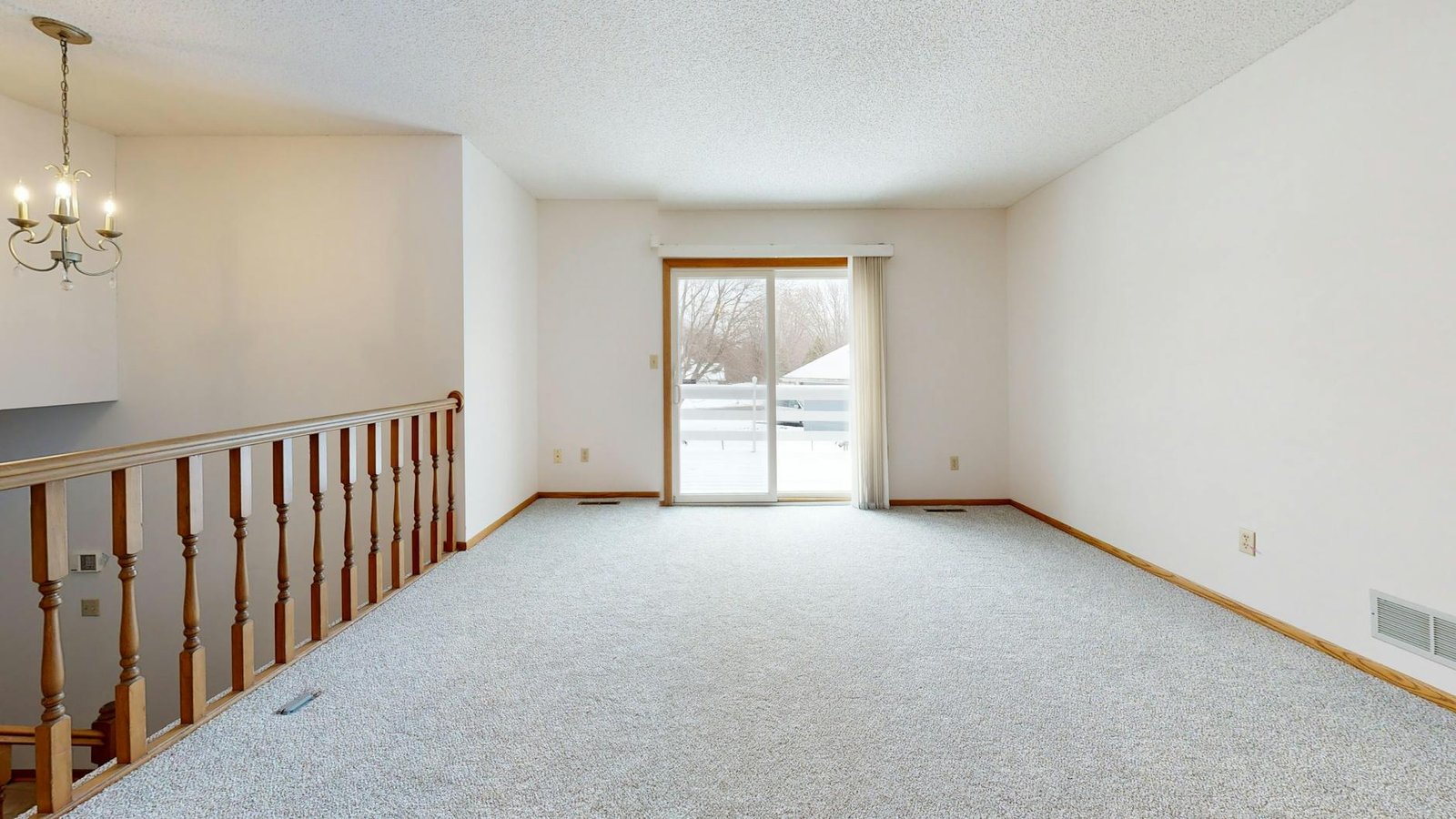
There’s one main reason open-house preparation fails – sellers want the entire home to be equally finished at the open house when buyers experience the home differently. When looking at homes online, only a few rooms will do most of the work, and only some spaces will create the first impression for the buyer (in person). Some minor visible imperfections can erode buyer’s confidence for the remainder of the open houses tour.
A “photo-ready” room doesn’t necessarily need to look “just like a designer showroom”; instead, it should “read well in thumbnail size”, “have simple paths to walk through”, & also “not cause a buyer to mentally take off money due to clutter”, etc… Therefore, before taking the photos & having an open house, the above should be used as a standard.
TL;DR
- Do not prep every room equally. Prioritize the rooms most likely to earn clicks and carry the showing.
- Use the FRAME score to grade each room before photos and again the night before the open house.
- Spend first on decluttering, lighting, touch-up paint, and minor visible repairs. Décor comes after that.
- If a room is trying to do two jobs, pick one clear purpose for photos and showings.
- Staging helps presentation, but it does not replace sound pricing, needed repairs, or required disclosures.
Why photo-ready beats perfectly decorated
NAR’s 2025 Profile of Home Staging gives sellers a practical priority map. Buyers’ agents said staging makes it easier for buyers to visualize the property as a future home, and the rooms they ranked most important were the living room, primary bedroom, and kitchen. They also rated photos as more important to clients than physical staging, videos, or virtual tours. That is why sellers should think like a camera first and a decorator second. (nar.realtor)
The open house still matters, but it is rarely the first contact. In NAR’s 2025 buyer survey, 51% of buyers found the home they purchased on the internet, and 49% used open houses as an information source during the search. NAR’s staging report also found that 31% of buyers’ agents said buyers were more willing to walk through a home they had seen online when it was staged. In practice, listing photos create the appointment, and the open house either confirms that promise or breaks it. (nar.realtor)
The FRAME score: a room-by-room triage tool
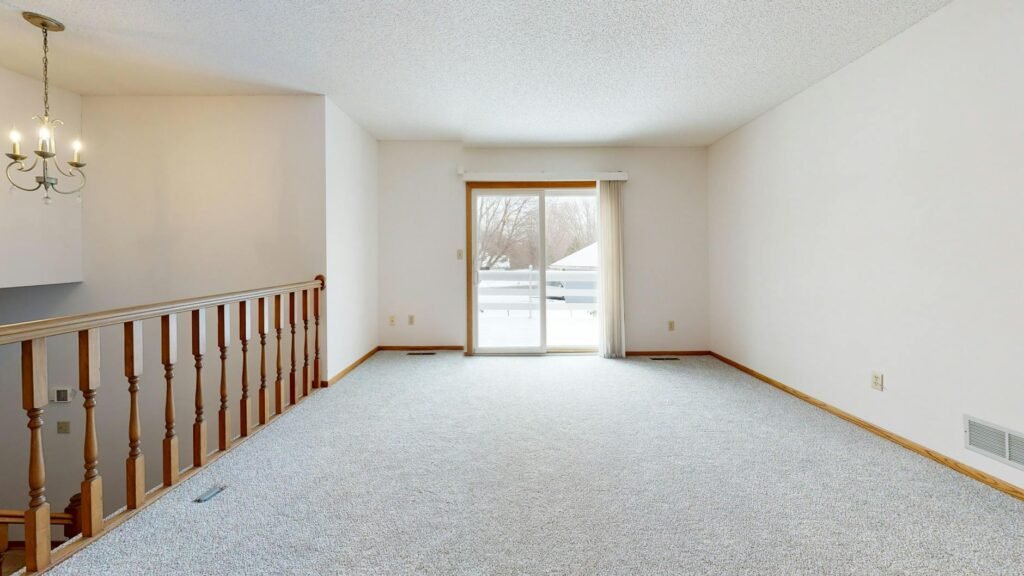
Use the FRAME scoring system on every room that can be seen: entryway(s), living room, kitchen, dining room, primary bedroom, master bathroom, flex space(s) as seen in photos and open house(s). Each category will receive a 0-2 score. A room with a score of 8-10 is ready for upkeep. A room with a score of 6-7 requires revision. A room with a score of 0-5 must have major work done to prepare for the photographer’s arrival.
The point is not to create a perfect house. The point is to stop wasting money on low-impact rooms while your lead rooms are still underperforming.

| Letter | Question | 0 points | 1 point | 2 points |
|---|---|---|---|---|
| F – Function | Can a buyer name the room’s job in three seconds? | Purpose is unclear or the room has too many uses. | The room mostly reads correctly but feels mixed. | The room has one obvious, believable purpose. |
| R – Remove | Have you removed enough furniture and personal items? | Crowded, overfurnished, or highly personal. | Better, but still visually busy. | At least 30% of visible items are gone and surfaces are calm. |
| A – Access | Is movement easy, and is the best angle open? | Walkways are blocked or furniture fights the room. | Traffic flow is acceptable but not clean. | The path is open and the focal point is easy to see. |
| M – Mend | Would a phone camera magnify flaws here? | Scuffs, stains, loose hardware, bad caulk, or dead bulbs stand out. | Minor flaws remain but do not dominate. | Visible defects are fixed or minimized. |
| E – Edit light | Does the room look bright, even, and quiet? | Dark corners, mixed bulb colors, heavy glare, or loud color clutter. | Light is okay but inconsistent. | Light is balanced, windows help, and the room feels settled. |
There are two guidelines that can help you create a more successful scoring system. The first is not to compare the rooms against each other but rather to view the rooms via social media; the second is that if a room has two different identities, you should choose one. For example, if a guest room is also a gym and a storage space, it will probably score very low despite being clean because it is telling two different stories. Buyers like to find rooms with a single clear description.
Where to spend first if time or money is tight
NAR’s room rankings line up with a sensible budget rule: spend where the room is likely to appear early in listing photos and where buyers linger longest in person. That usually means the living room, kitchen, primary bedroom, entry, and main bath before you worry about the guest room, laundry room, or garage. (nar.realtor)
| Room | Budget priority | Why it matters | Best low-cost move | Optional spend if budget allows |
|---|---|---|---|---|
| Living room | Highest | Often leads the photo set and anchors buyers’ sense of space. | Remove extra chairs and side tables, clear visible cords, add consistent lighting. | Rug swap, neutral pillows, or a simple focal-point art piece. |
| Kitchen | Highest | Buyers read cleanliness and upkeep quickly here. | Clear counters down to a few purposeful items, remove magnets, hide trash and soap clutter. | New hardware, bar stools, or a pro clean for appliances and grout. |
| Primary bedroom | High | Signals calm, scale, and whether the home feels cared for. | Use plain bedding, clear dressers, remove personal photos, simplify nightstands. | Matching lamps, a bench, or fresh bedding. |
| Entry and main bath | High | These rooms shape first impressions and cleanliness. | Fresh mat, bright bulbs, empty sink areas, new towels, close toilet lids. | Mirror-light update, caulk touch-up, or repainting. |
| Dining room or office | Medium | Helpful if buyers need to understand flexibility. | Define one clear use and reduce extra chairs or equipment. | Simple centerpiece, area rug, or task lamp. |
| Kids’ or guest room | Low to medium | Important only if clutter becomes distracting. | Contain toys, remove laundry, simplify bedding. | Basic wall touch-up or borrowed staging pieces. |
| Garage or laundry | Low | Useful, but usually not the room that sells the showing. | Sweep, line up bins, hide chemicals, and clear floor space. | Shelving cleanup or an inexpensive storage system. |
A useful tie-breaker is this: if a room does not help you get the click or preserve momentum once buyers walk in, it should not get premium dollars. A cleaned-up garage is nice. A brighter living room with less furniture is usually the better first spend. And because staged online photos can make buyers more willing to tour the home, the first dollars should go toward the rooms most likely to appear in those early listing images. (nar.realtor)
A realistic $1,200 example
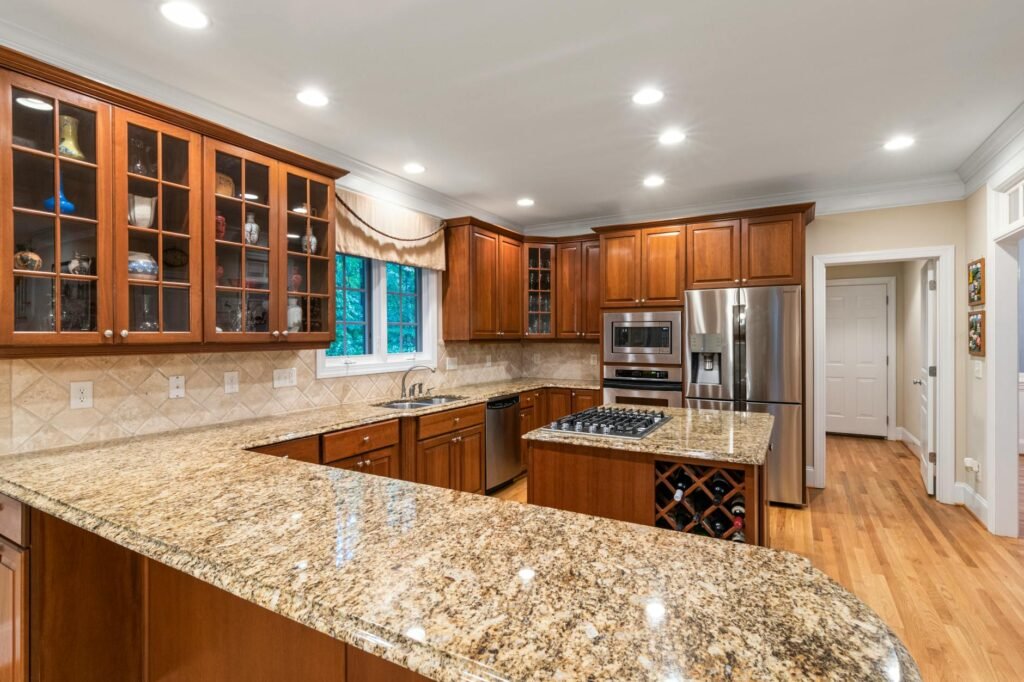
Consider a three-bedroom, two-bath house expected to list at $425,000, with professional photos scheduled in 10 days and an open house the following Saturday. On the first FRAME pass, the living room scores 5, the kitchen 6, the primary bedroom 4, the hall bath 6, the dining room 8, the kids’ room 4, and the laundry room 3. The mistake would be spreading money evenly across all seven rooms. The better move is to fund the first four, lightly contain the kids’ room, and leave the laundry room in basic clean-and-clear condition.
- $220 for patching, touch-up paint, fresh caulk, and replacement switch plates in the living room and bath
- $85 for matching LED bulbs and two inexpensive lamps to eliminate dark corners
- $180 for bins, wardrobe boxes, and one month of small storage to get excess furniture and toys out
- $250 for a whole-house deep clean with extra attention to kitchen surfaces and bathroom grout
- $165 for neutral bedding, two new bath towels, and a simple bath mat
- $200 for a handyman visit to tighten loose hardware, rehang a crooked curtain rod, and fix a sticking closet door
- $100 held back for flowers, last-minute supplies, or an extra clean before the open house
A budget like this isn’t going to create luxury style staging; it will create clarity. After executing the plan, the living room will improve from a 5 to a 9, the kitchen from a 6 to an 8, the primary bedroom from a 4 to an 8 and the bath from a 6 to an 8. The dining room will remain at an 8 with virtually no outlay. The children’s room will look organized enough to NOT have to look like a catalogue picture, but will be improved enough to have a positive impact. The completed home will provide an accurate representation when photographed and will provide a greater experience for people who tour it.
A measured prep budget can make financial sense, but it is not automatic ROI. NAR reported that the median spend was $1,500 when sellers used a staging service and $500 when the seller’s agent handled staging personally. In the same report, some agents said staging lifted offers by 1% to 5%, while many said it had no dollar impact. On a $425,000 listing, even 1% is $4,250, which is why disciplined, room-by-room spending can be reasonable, but not guaranteed. (nar.realtor)

If your prep budget is under $500, buy space before style: boxes, bins, matching bulbs, paint, cleaner, and a few fresh textiles usually beat decorative accessories.
The 24-hour photo-ready reset
- Start with a laundry basket and remove anything that belongs in another room. Do this before you start styling.
- Open blinds and curtains, then check glare. If a window blows out the room, soften it rather than blocking it completely.
- Turn on every working light and replace bulbs that are dim, mismatched, or yellow next to cooler bulbs.
- Clear kitchen counters until only a few purposeful items remain, such as a bowl, coffee setup, or cutting board.
- Make beds tightly, using the simplest bedding you own. Fold or remove throw blankets that look bulky on camera.
- Empty bathroom counters, hide medications and toothbrushes, wipe mirrors, and put out one fresh towel set.
- Remove pet bowls, litter boxes, crates, and visible pet bedding if possible for photos and during the open-house window.
- Do a floor pass last: vacuum lines, swept corners, straight bath mats, and no small trash cans in view.
- Take one doorway photo of each room with your phone. If something jumps out in the photo, fix that before you stop.
Common mistakes that make rooms look worse in photos
Sellers often aim for dramatic instead of readable. NAR found that buyers frequently carry unrealistic expectations from TV, with 48% of respondents saying buyers thought homes should look staged like TV shows and 58% saying buyers were disappointed by how homes looked in real life compared with TV. The goal is not drama. The goal is believable calm. (nar.realtor)
- Keeping too much furniture because the room feels empty to you. On camera, extra furniture usually reads as less square footage.
- Letting one room do two or three jobs. A bedroom-office-playroom almost always photographs as confusion.
- Buying trendy accessories before fixing paint scuffs, old caulk, crooked rods, loose knobs, or dead bulbs.
- Using personal décor to fill space. Family photos, collections, children’s artwork, and busy fridge fronts pull attention away from the room itself.
- Ignoring what is below eye level. Floor clutter, pet bowls, cords, bath mats, and overflowing hampers are camera magnets.
- Forgetting smell and privacy. Trash, litter, strong candles, paperwork, prescriptions, and mail should all disappear before buyers arrive.
- Creating photos that promise more than the in-person visit delivers. The open house should feel like the listing, only better.
When the formula is not enough
If the home has dated flooring, visible water damage, worn cabinets, a damaged roofline, or a price that is ahead of the market, the formula can improve presentation but not erase valuation reality. CFPB explains that valuations and appraisals compare the home with similar local sales and rely on features like square footage, bedrooms, bathrooms, year built, and other property characteristics. Presentation may help turnout and confidence, but financing still runs through comps and appraisal logic. (consumerfinance.gov)
When that is your situation, shift from styling to risk reduction. Ask your agent whether the better move is repair, seller credit, price adjustment, or partial staging of only the lead rooms. If you are living in the house with kids or pets, create one reset bin per floor so daily life can disappear quickly before a showing. If you are using virtual edits, get clear guidance on what your agent, brokerage, and local listing rules allow. And do not let décor hide material issues: CFPB notes that many states require sellers to give buyers information about the property’s condition. (consumerfinance.gov)
How to audit your work before buyers show up
- Stand in the doorway of each room and take one wide phone photo. If the room looks smaller in the photo than it feels in person, remove more.
- Switch your phone to grayscale or lower saturation. Clutter often reveals itself faster when color is not distracting you.
- Ask a friend or neighbor to look at each photo for three seconds and label the room’s purpose. If they hesitate, the room still needs editing.
- Run an evening light test. Some homes look fine in daylight but dim, yellow, or uneven during a late open house.
- Compare your first five planned listing photos against competing homes in your price range. If yours looks darker, fuller, or busier, adjust before launch.
- Do one complete walk-through carrying a bin and a microfiber cloth. Last-minute fingerprints, cords, remotes, and stray items are easier to catch in motion than while standing still.
This is just an informational article. It does not give you any legal, tax, appraisal, or brokerage advice. Local disclosure rules, listing policies, expectations for buyers and conditions of the market will all change from one location to the next. For any pricing issues, required repairs or for questions regarding disclosures or your transaction strategy, it’s best for you to consult a licensed real estate agent as well as a licensed attorney or licensed tax professional in your local area.
Bottom line
When preparing a home for an open house, do not expect every area of your home to perform equally in all respects (on-line presence, off-line presence, and how much effort you put into preparation). To establish which areas will be featured most frequently, leverage the FRAME scoring system. Prioritize budgeted funds to the areas of your home, light, and visible repairs. An attractive and well-lit area encourages your potential buyers to visualize their use of that space. Conversely, an area that contains many items but few other qualities, may result in less emphasis being given to that space by your potential buyer.
FAQ
Should I stage every room before an open house?
Usually not. Stage the rooms that sell the showing first: living room, kitchen, primary bedroom, entry, and main bath. NAR’s 2025 staging data put the living room, primary bedroom, and kitchen at the top of the priority list from buyers’ agents’ perspective. (nar.realtor)
Is professional staging worth paying for on a mid-priced home?
Sometimes, but the spending should be disciplined. NAR reported a median spend of $1,500 when a staging service was used and $500 when the seller’s agent handled staging. Some agents reported higher offers, but many reported no dollar impact, so treat staging as a calculated marketing expense, not a guaranteed return. (nar.realtor)
How neutral should a room look?
Being neutral doesn’t mean being boring; it simply means that the room’s purpose is obvious and that the materials do not compete with one another to grab your attention. Minimum distraction on larger surfaces is a good thing – so allow the light to do all the hard work in a neutral setting and refrain from using too many supplemental accent pieces, even though they will add a lot of personality to the space.
What should I remove before listing photos?
Begin with anything that contributes to a cluttered/overstuffed room, is busy, or is too personal; all of these are items such as: chair(s), basket(s) on the floor, large rug(s), visible cord(s), cluttered countertops, family picture(s) or photo(s) on display, paper(s), pet item(s)/material(s), laundry items/multiple decorative item(s). If you’re uncertain about whether or not to keep an item and/or want to compare whether to keep an item in a particular room, photograph that room both with and without the single item, and keep the photo version that’s least cluttered/overstuffed.
What if I still live in the house with kids or pets?
Develop a Daily Reset System instead of an Ideal Fantasy Life. Each room should have one lidded container for daily clutter, a single laundry basket for pending laundry, and lead rooms need to be simplified as much as possible. Living Conditions do not need to be Perfect, you need a Repeatable 20 Minute Reset!
Can staging make up for overpricing or deferred maintenance?
No. Staging can improve presentation and buyer confidence, but appraisals and valuations still rely on comparable sales and property characteristics. If there are condition issues or the price is ahead of the market, repairs, credits, or pricing adjustments may matter more than extra décor. CFPB also notes that many states require sellers to give buyers information about the condition of the property. (consumerfinance.gov)
References
- National Association of REALTORS® – 2025 Profile of Home Staging (PDF) – https://www.nar.realtor/sites/default/files/2025-05/2025-profile-of-home-staging-05-06-2025.pdf?utm.com=
- National Association of REALTORS® – Profile of Home Staging report page – https://www.nar.realtor/research-and-statistics/research-reports/profile-of-home-staging
- National Association of REALTORS® – 2025 Home Buyers and Sellers Generational Trends Report (PDF) – https://www.nar.realtor/sites/default/files/2025-03/2025-home-buyers-and-sellers-generational-trends-report-04-01-2025.pdf
- Consumer Financial Protection Bureau – Why did I receive different valuations during the mortgage loan application process – https://www.consumerfinance.gov/ask-cfpb/why-did-i-receive-different-valuations-during-the-mortgage-loan-application-process-en-1875/
- Consumer Financial Protection Bureau – What are appraisals and why do I need to look at them – https://www.consumerfinance.gov/ask-cfpb/what-are-appraisals-and-why-do-i-need-to-look-at-them-en-167/
- Consumer Financial Protection Bureau – What questions should I ask about flood and disaster risk when buying a house – https://www.consumerfinance.gov/ask-cfpb/what-questions-should-i-ask-about-flood-and-disaster-risk-when-buying-a-house-en-2147/