
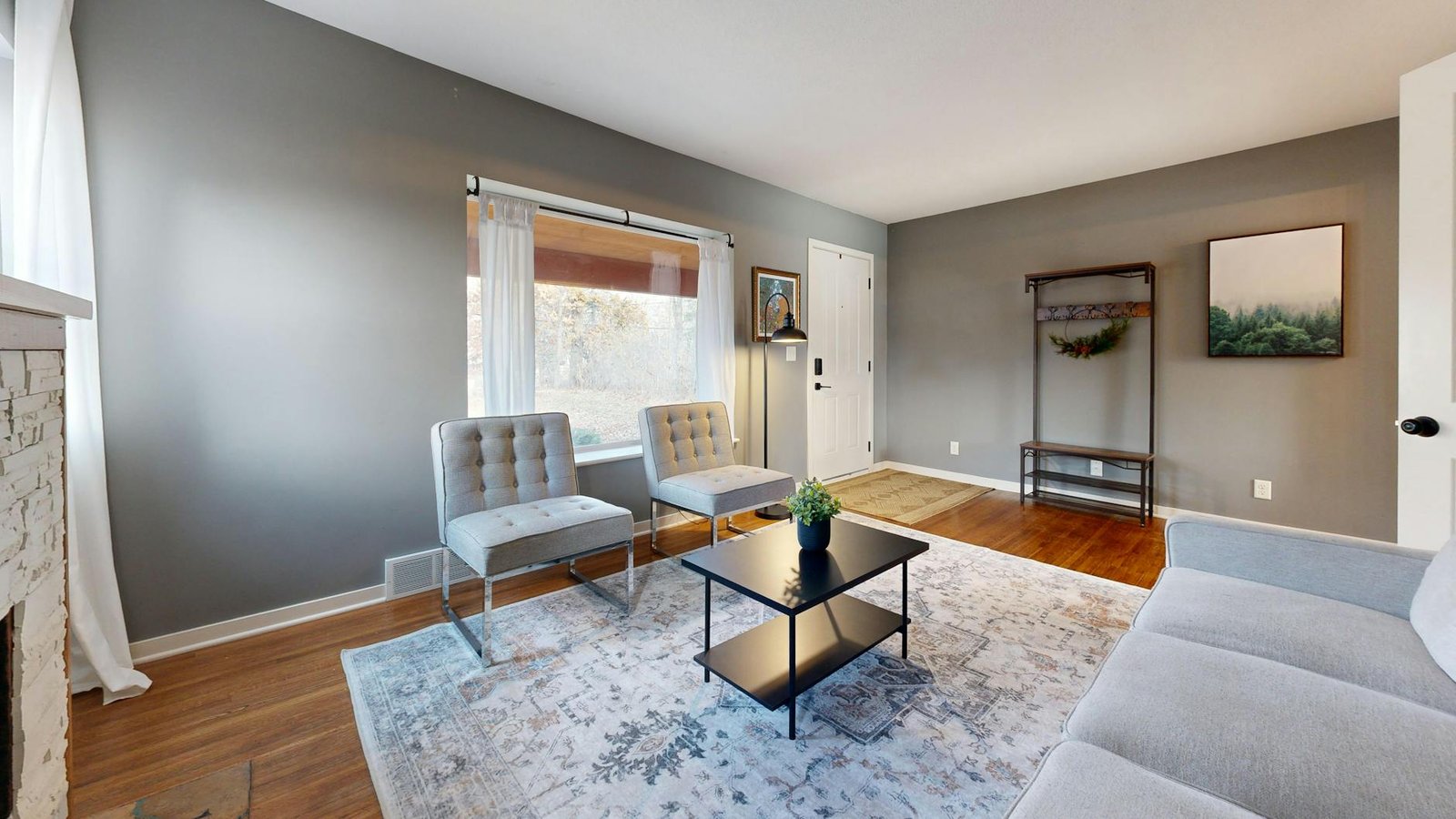
- For most sellers, timeless staging is the safer bet because it broadens appeal instead of showcasing personal taste.
- Use the BROAD test before you spend: Buyer-neutral, Room-enhancing, Online-friendly, Appropriate for the price tier, Disposable if tastes shift.
- Put your first dollars into decluttering, cleaning, paint, lighting, and the rooms buyers notice first.
- Keep trendiness temporary: art, pillows, a lamp, a mirror, or a rented chair, not a bold finish you may have to undo.
- If the house still underperforms, staging probably is not the only issue. Review price, photos, condition, and odor.
Sellers often treat staging like a style contest. It is closer to risk management. A strong staging plan reduces the number of reasons a buyer can say no in the first 30 seconds online and the first few minutes in person. In the National Association of REALTORS®’ 2023 profile, 81% of buyers’ agents said staging made it easier for buyers to visualize a property as a future home, and 40% said buyers were more willing to walk through a home they had seen online when it was staged. Freddie Mac similarly notes that staging can help a home stand out and become more memorable to buyers. (nar.realtor)
Timeless staging invariably prevails due to its emphasis on light, openness, cleanliness, and sufficient amount of maintenance. Some trendy staging can aid in your efforts, but don’t overdo it or you’ll limit your garage’s appeal to certain audiences. A good general guideline would be to use permanent dollars for timeless repairs while using temporary dollars for trend-based repair.
What timeless and trendy mean when money is on the line
Timeless in resale listings means neutral paint so it works with your furniture, correct size furniture so it shows correct traffic flow, layered light fixtures, simple bedding, clean counters, restrained artwork and repair work to make the home feel cared for. Trendy staging can use many of the same elements of staging, but has a much more focused and current feel to it. For example: color saturated rooms, wallpaper that expresses a specific personality, bold and dramatic light fixtures, furniture with a sculptural quality and an overall look that is visually appealing to one buyer but may appear unattractive to three other buyers.
The risk is not that buyers dislike all trend. The risk is that they mentally convert your taste into their future cost. NAR found only a median 5% of respondents said buyers expected homes to look like TV-staged houses, yet 64% said buyers were disappointed by those comparisons. That is a good warning not to chase a TV-set version of home selling. Buyers want a home that feels clear, cared for, and easy to picture living in. (nar.realtor)
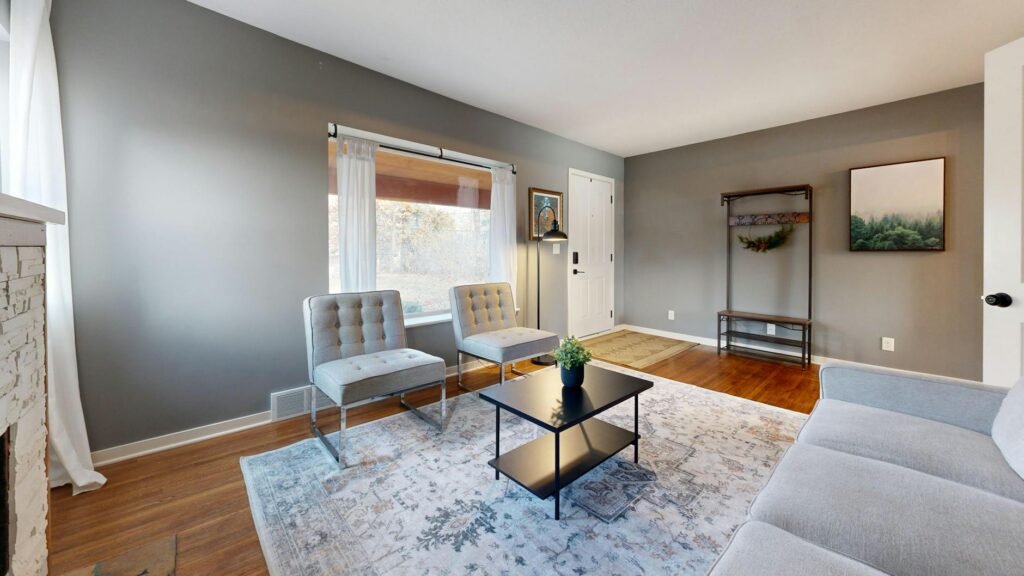
Use the BROAD test before you spend a dollar
If you want to determine if the staging proposal you have is worth the investment, you need to run it through the BROAD test to determine if it meets your qualifications. Each idea should receive one point for each ‘yes’ answer. If an idea scores 4 or 5 points, it is a go. If it scores 3 points, it is only a temporary go. If it scores 0 to 2 points, you will usually be better off forgetting it.
- Buyer-neutral: Would most buyers accept it, even if it is not their personal style?
- Room-enhancing: Does it make the room feel brighter, larger, calmer, or more functional?
- Online-friendly: Will it read well in listing photos and thumbnails?
- Appropriate: Does it fit the home’s price point, neighborhood, and likely buyer?
- Disposable: Can you remove or reverse it cheaply if feedback is negative?
While it may be trendy to paint your dining room ceiling black, this often comes at a cost for those selling their homes. New ivory bedding, two matching lamps and an oversized mirror would all likely meet the five points of test. The purpose of the test is not to create a cookie cutter look for all houses, but to prevent sellers from spending real dollars on design items that increase their personal style but detract from their ability to sell to the next buyer.
| Area | High-appeal timeless move | Risky trendy version | Safer way to add freshness | Priority |
|---|---|---|---|---|
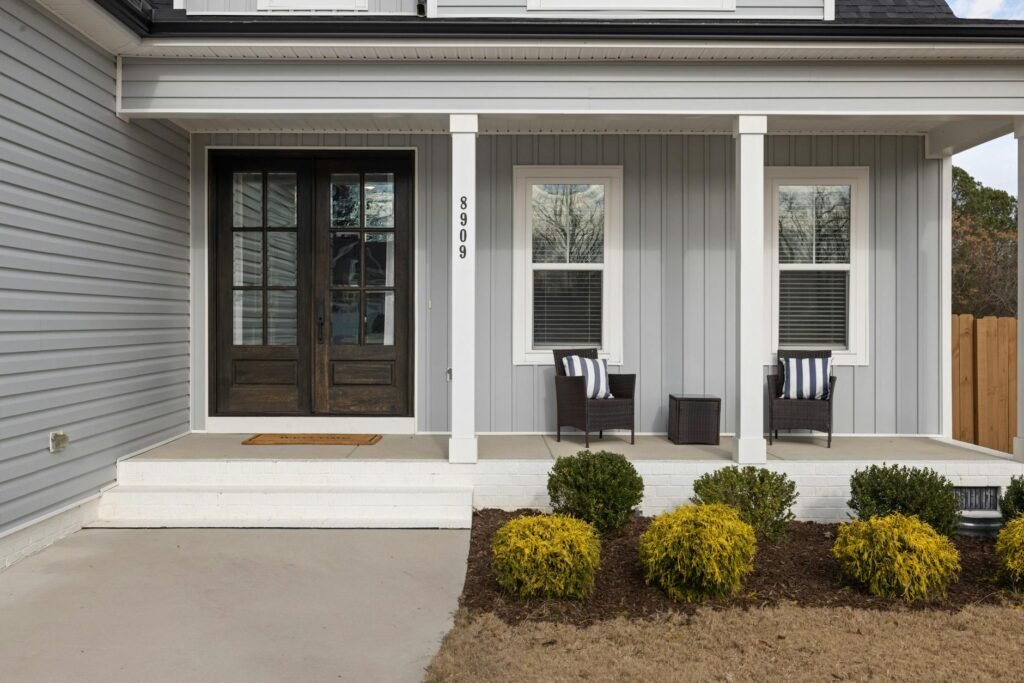
| Entry | Fresh paint, bright bulb, clear walkway, simple mat | Loud wallpaper or a themed gallery wall | One oversized mirror or one large piece of art | High |
| Living room | Remove extra furniture, define seating, add balanced lamps | Oversized sculptural furniture that shrinks the room | One updated accent chair or a few current pillows | High |
| Kitchen | Clear counters, clean grout, simple stools, better lighting | Heavy styling, themed décor, countertop clutter | One tray, one plant, and clean work surfaces | High |
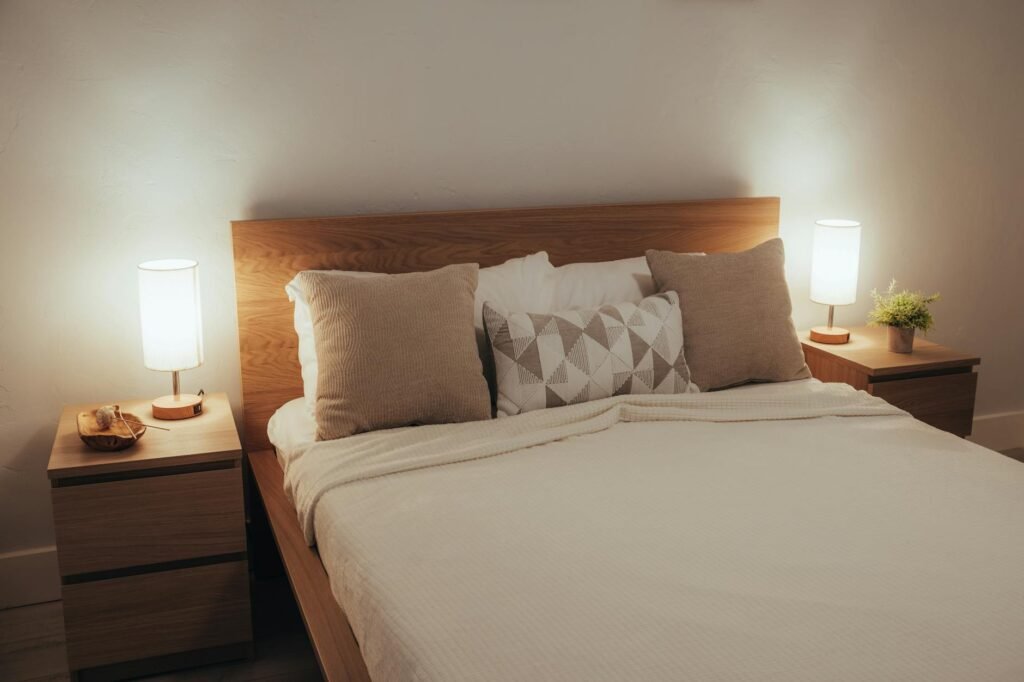
| Primary bedroom | Neutral bedding, matching lamps, clear dressers | Moody wall color or highly personal wallpaper | Layered bedding and one textured throw | High |
| Bathroom | White towels, fresh caulk, clean shower curtain | Strong fragrance and hotel-style over-styling | Simple towels and a small plant | Medium |
| Bonus room | Stage one clear use, such as office or den | Niche hobby room with highly specific décor | Flexible office-guest setup | Medium |
| Kids’ room or secondary bedroom | Tidy, simple linens, minimal décor | Heavy character themes or very bold paint | Neutral base with one accent color | Low to medium |
Where to focus first if your budget is tight
If you cannot stage the whole house, concentrate where buyers read value fastest. In NAR’s survey, sellers’ agents most often staged the living room, kitchen, primary bedroom, dining room, and bathroom. Those rooms do the most work in photos and in first impressions because they tell buyers how daily life would actually feel in the home. (nar.realtor)
That means you should not spend your first $800 styling a guest room nobody remembers if the living room feels cramped, the kitchen looks noisy, or the primary bedroom reads dark and small. Buyers forgive a plain secondary room long before they forgive clutter in the main spaces.
A realistic budget for a mid-priced listing
Focused staging does not automatically mean a full-service designer install. In NAR’s 2023 profile, the median amount spent was $600 when using a staging service and $400 when the seller’s agent staged the home personally. At the same time, Freddie Mac notes that sellers also face other costs such as repairs, landscaping, cleaning, fees, taxes, and closing expenses, so staging should be treated as one line item in the total selling budget, not as a blank check. (nar.realtor)
Consider a three-bedroom house expected to list at $475,000. The sellers can spare $3,850. A trendy plan might pour that budget into a limewash accent wall, a designer dining fixture, peel-and-stick wallpaper in the powder room, and extra rental furniture that makes the listing look current but also more specific. A timeless plan would spend the same money differently: $1,050 for paint in the entry, hall, and main living area, $450 for deep cleaning and grout work, $325 for mulch and front-door pots, $280 for a short-term storage unit, $1,250 for partial staging in the living room and primary bedroom, $320 for lamps, bedding, towels, and simple art, and $175 for caulk, trim touch-up, and a sticking patio door. The second plan does not make the house trendier. It makes it easier to understand.
The math is not guaranteed, but it is real. A 1% price difference on a $475,000 listing is $4,750. NAR reported that some buyers’ agents and sellers’ agents saw staged homes increase dollar offers by 1% to 5% compared with similar unstaged homes, while others saw no pricing effect at all. That is why staging should be judged as risk reduction, not magic. If it helps you avoid an early price cut, improve first-week traffic, or compete against better-presented listings, a sensible staging budget may pay for itself without producing a dramatic makeover story. (nar.realtor)

A one-week prep plan before photos and showings
- Day 1: Fix obvious friction. Replace burned-out bulbs, tighten loose hardware, patch nail holes, and solve anything that squeaks, sticks, or smells off. Accessories do not hide deferred maintenance.
- Day 2: Remove identity-heavy items. Pack family photos, collections, pet stations, loud slogan décor, and about one-third of your small furniture.
- Day 3: Reset big surfaces. Clear kitchen counters to the essentials, thin bookshelves by half, simplify nightstands, and leave visible breathing room around windows and doors.
- Day 4: Neutralize large visual fields. If you paint, do the entry, main hall, and largest living area first. A calm wall color usually does more for buyer confidence than a fashionable accent wall.
- Day 5: Stage the rooms that carry the sale. Prioritize the living room, kitchen, primary bedroom, dining room, and at least one bathroom before you spend on secondary bedrooms or hobby spaces. (nar.realtor)
- Day 6: Take phone photos at eye level. If a room looks dark, crowded, or confusing in a phone thumbnail, it will likely underperform in the listing too.
- The seventh day: To take a buyer’s perspective as you walk through your house, start on the sidewalk, and stop at every entrance to ask yourself, “What challenge does this room provide for my potential buyers?” If your answer is not “house” or “family,” then you will need to restage that room.
When a little trendiness helps
A little trendiness can signal freshness, but it should live in objects, not expensive surfaces. The safest mix is 90/10: a 90% calm, broadly appealing foundation and 10% current polish. That 10% can be a modern lamp, cleaner-lined stools, textured neutral pillows, a warm-toned mirror, or simple greenery. It should be cheap to remove if feedback turns negative.
- Good places for trend: art, pillows, bedding, mirrors, small rugs, and one light fixture that suits the house.
- Bad places for trend: bold wall colors, loud wallpaper, highly specific kids’ rooms, strong scenting, and unusual furniture shapes that make rooms feel smaller.
- A reliable rule: if a feature makes a buyer think, “I would have to undo that right away,” it is staging against the sale, not for it.
Common staging mistakes that shrink your buyer pool
- Copying social media looks instead of matching the neighborhood, price bracket, and likely buyer.
- Over-furnishing an average-size room so it looks smaller in photos.
- Using rental furniture that is too tiny, which makes rooms feel awkwardly scaled.
- Trying to distract from wear, pet odor, or dated finishes with fragrance and accessories.
- Turning every spare room into a niche room instead of showing flexible use.
- Spending on décor before handling cleaning, paint, lighting, and minor repairs.
- Ignoring the exterior, even though the buyer’s first yes or no starts before the front door opens.
If the first plan is not enough
When a staged home still sits, the answer is not always more staging. It is often price, condition, photos, or a mismatch between the listing story and the house itself. Freddie Mac notes that inspections can reveal costly underlying issues and that appraisals protect the buyer and lender by comparing the agreed price with the home’s value. Staging can improve presentation, but it does not repair a roof leak, erase smoke damage, or create comparable sales that support an optimistic price. (myhome.freddiemac.com)
Your backup options depend on the problem. If the house feels cold and empty, partial staging or disclosed virtual staging may be enough. If feedback keeps mentioning carpet, old paint, or a rough bathroom, a seller credit or targeted repair may do more than new décor. If showings are healthy but offers are weak, revisit pricing before buying more accessories. Freddie Mac also notes that in a buyer’s market, sellers may end up spending more on improvements to stand out, which is another reason to favor high-clarity fixes over trendy ones. (myhome.freddiemac.com)
How to verify that your staging is helping
Use what I call the 48-Hour Showing Audit after your listing goes live. It is a simple way to separate style issues from pricing issues before you spend more money.
- Click test: Compare your photo thumbnails with the five closest competing listings. Does your home look brighter, calmer, and easier to read at a glance?
- Pause test: Ask your agent where buyers linger and where they speed through. Lingering in the living room, kitchen, and primary bedroom is a good sign.
- Comment test: Sort feedback into four buckets: price, condition, style, and layout. If three or more buyers mention the same issue, treat it as market data.
- Offer test: Review not just whether offers came in, but what they asked for. Heavy repair requests usually point to condition, not staging.
- Reset rule: If the first weekend brings traffic but no second showings, remove one-third of accessories and re-shoot the two weakest rooms.
Bottom line
Timeless staging is likely, in most cases, going to be a better financial bet for sellers. Timelessly staged homes have more potential buyers viewing them and they photograph better. Finally, they reduce the amount of money spent on items that the next owner will likely not like. Trends should be looked upon as an accent and do not form the basis of your staging decisions. If your staging pick makes the houses feel cleaner, brighter, larger and provide prospective buyers an easier time picturing them living there, you should keep it. If the pick ultimately reflects your taste more than it enhances the staging, you should not use it.
Is neutral staging the same as making a home look bland?
No. Good neutral staging is not empty or cold; it is edited. Buyers still want warmth, texture, and clear function. The goal is to make the home’s features memorable, not the seller’s color preferences.
Which rooms should I stage first if I can only afford a few?
Start with the living room, kitchen, primary bedroom, dining room, and a bathroom. Those were the rooms sellers’ agents reported staging most often in NAR’s 2023 profile, and they usually do the most work in photos and showings. (nar.realtor)
Does staging affect the appraisal?
Not in the way many sellers hope. Presentation can support buyer interest, but the appraisal is a professional opinion of value tied to the home’s condition and comparable sales. If the appraisal comes in low, the buyer may renegotiate or walk away if the contract allows it. (myhome.freddiemac.com)
Should I fully stage an empty house?
Often, but not always. Partial staging usually works best when the living room, dining area, and primary bedroom need scale and function. In smaller or lower-priced homes, a few key rooms may be enough.
How much should I spend on staging?
There is no universal percentage. Start with the risk you are trying to reduce: weak photos, slow early traffic, or buyer objections to clutter and dated finishes. NAR’s reported medians were modest, which is a reminder that selective staging can be enough, especially when paired with cleaning, paint, and decluttering. (nar.realtor)
What if my home still needs obvious repairs?
Repair the issue, price around it, or offer a credit. Staging should support value, not argue with reality. Inspection and appraisal problems are stronger than decorative improvements. (myhome.freddiemac.com)
References
- National Association of REALTORS® – 2023 Profile of Home Staging – https://www.nar.realtor/sites/default/files/documents/2023-profile-of-home-staging-03-30-2023.pdf
- My Home by Freddie Mac – What You Should Know About Staging Your Home – https://myhome.freddiemac.com/blog/selling/what-you-should-know-about-staging-your-home
- My Home by Freddie Mac – Understanding the costs of selling your home – https://myhome.freddiemac.com/selling/costs-of-selling
- My Home by Freddie Mac – Inspecting and appraising your home – https://myhome.freddiemac.com/buying/inspecting-and-appraising-your-home