
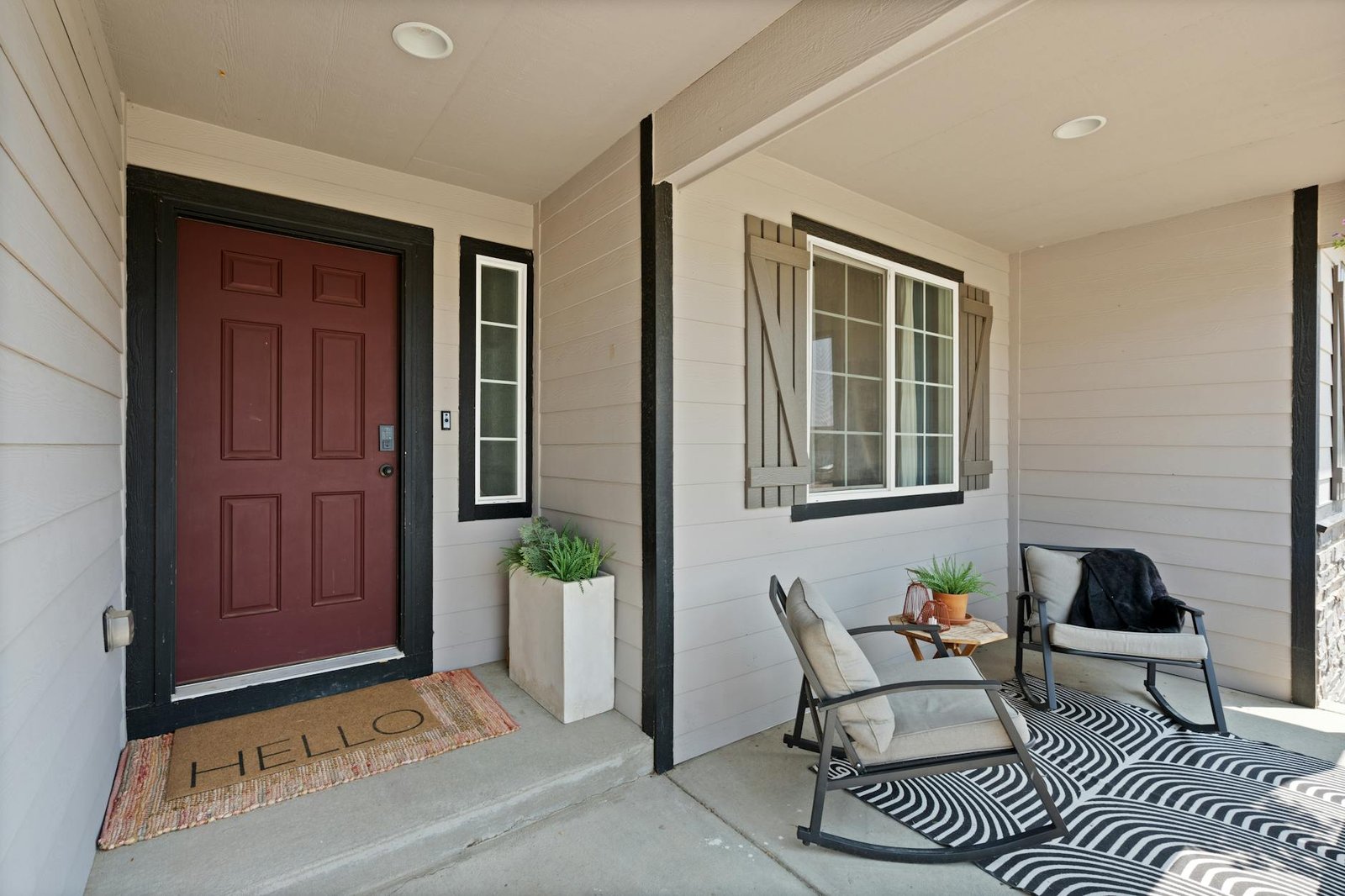
The entryway is not something that buyers walk through the front door thinking about; instead they think about how quickly they can judge if the home has been taken care of, cramped or not, looks good or doesn’t, and will they have to pay this price for the home. The entryway is the first interior visible proof point in the home and within just a couple seconds of entering the home buyers can determine if the rest of the tour will be effortless or an effort to view.
That matters because staging is a spending decision, not a craft project. In NAR’s 2025 home staging data, agents most often recommended decluttering, whole-home cleaning, and curb appeal work before listing, and the median reported cost of using a staging service was $1,500. If your prep budget is limited, the entryway has to earn its keep by signaling cleanliness, flow, and maintenance, not by looking decorated just for decoration’s sake. (nar.realtor)
TL;DR
- Treat the entry like a value filter, not a styling moment: buyers use it to judge upkeep, space, and whether the showing will feel effortless or awkward.
- Start with condition and clarity. NAR’s 2025 staging research found agents most often recommended decluttering, cleaning, and curb appeal before listing. (nar.realtor)
- Online presentation still matters first. NAR buyer data shows photos were the most useful website feature for internet users, and Zillow notes that your listing is often the buyer’s first impression. (cms.nar.realtor)
- A good entryway budget usually goes farther on light, paint, repairs, and fewer visible items than on trendy accessories.
Why the first 10 seconds carry so much weight
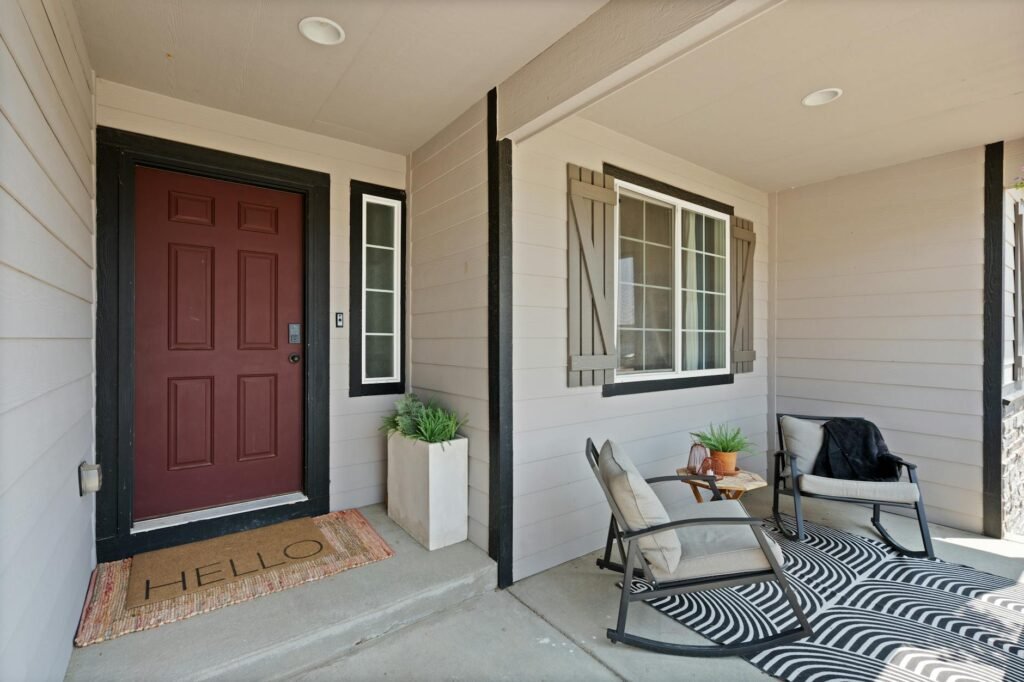
The “10 seconds” in the headline is shorthand, not a laboratory measurement. The real point is sequence. Buyers usually meet your home online before they ever touch the doorknob. NAR’s 2025 buyer data shows photos were rated the most useful website feature among buyers who used the internet, and Zillow says a home’s listing is often its first impression. By the time someone arrives in person, they are checking whether the real house matches the promise of the listing. (cms.nar.realtor)
That check can be unforgiving. In NAR’s 2025 staging research, 48% of respondents said buyers expected homes to look like they were staged on TV, and 58% said buyers were disappointed by how homes looked compared with those portrayals. A dim, crowded, or scuffed entryway can trigger that disappointment immediately. (nar.realtor)
The entry also has a handoff job. NAR found the living room was the most important room to stage for buyers, followed by the primary bedroom and kitchen. That means the foyer does not need to be dramatic. It needs to guide the eye cleanly into the main living space and make the rest of the house easier to believe. (nar.realtor)
Use the Threshold 12 Score before you buy anything
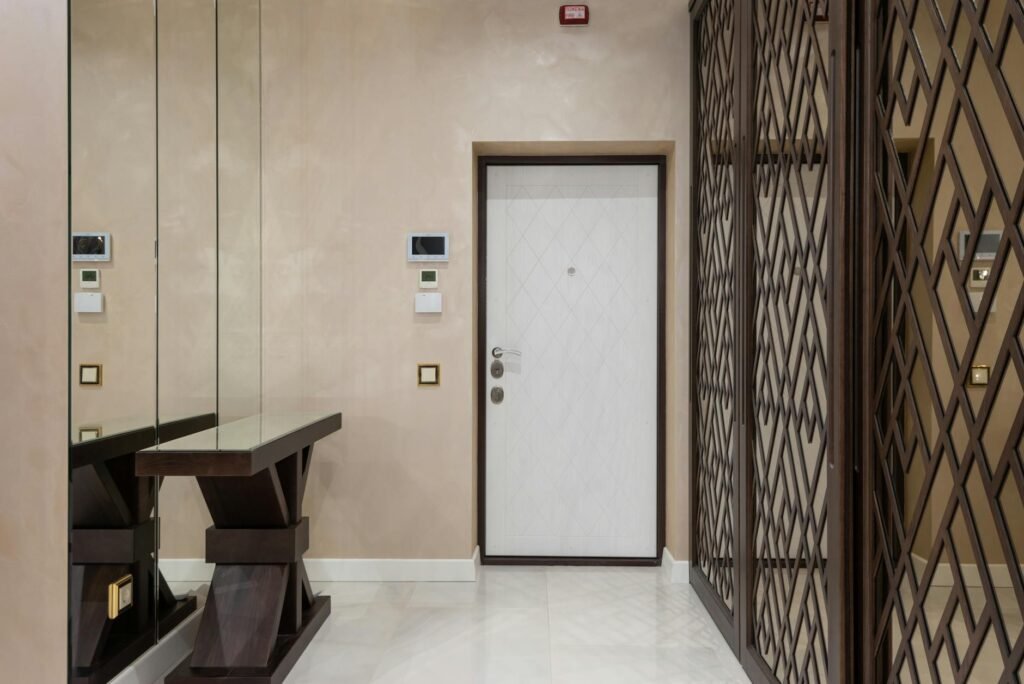
Here is a simple tool to keep staging rational. Score the entry from 0 to 2 in each category, then total the points. The goal is not beauty. The goal is friction removal.
| Factor | 0 points | 1 point | 2 points |
|---|---|---|---|
| Path and flow | You sidestep shoes, bags, or furniture to enter. | The path is usable but slightly awkward. | The path from door to first interior sightline is clear and obvious. |
| Light and visibility | Dim, mismatched, or burnt-out bulbs. | Adequate light but uneven color or weak brightness. | Bright, consistent light that makes the space readable at a glance. |
| Condition clues | Scuffs, chipped paint, loose hardware, dirty glass, or worn caulk are easy to spot. | One or two flaws are visible. | Surfaces and hardware read as maintained. |
| Clutter signal | Coats, pet gear, packages, and daily spillover dominate the view. | Some editing happened, but the area still feels busy. | Only a few purposeful items remain. |
| Scale and proportion | Rug or furniture makes the entry feel smaller. | Pieces fit, but barely. | Everything is sized to preserve breathing room. |
| Emotional cue | The space feels cold, empty, or overdecorated. | Some warmth, but not settled. | One simple cue makes it feel usable: a mirror, a bench, a plant, or a clean landing spot. |
If you have a ‘score’ of between 10 and 12, that means you’re nearly there, but if your ‘score’ was between 7 and 9, then some things require editing/removing/brightening before you buy any more decor. However, if your ‘score’ was 0 to 6, then the answer to your question is almost always “Repair/Clean/Repaint/De-Clutter, and then Retest”.
What buyers are silently deciding at the door
- Has this house been maintained, or am I about to inherit a punch list?
- Will everyday life fit here, or will storage and traffic feel tight?
- Does the layout make sense from the first step inside?
- Does the home feel move-in ready enough for the price I have in mind?
- Can I picture my routine here without immediately wanting to change things?
This is why staging a good entrance is often quiet because buyers are not judging a home on the style of the decor, but rather looking for supporting evidence to back up their purchase decision. A straight hallway runner, clean front door glass, a working latch, matched bulbs (if possible), and an unobstructed sightline will typically provide more tangible benefits to the buyer than decorative books arranged on an end table with filler in the middle.
A realistic pre-listing budget example
Consider a seller preparing a 1,900-square-foot, three-bedroom house to list at $425,000. A full staging package is quoted at about $1,500, which is in line with NAR’s reported median staging-service cost. But the seller only wants to spend about $1,200 before photos and showings, so the money has to go where buyers will notice it first. (nar.realtor)

| Entry task | Estimated cost | Why it earns priority |
|---|---|---|
| Deep clean of door glass, trim, baseboards, and floor | $220 | Removes the fastest negative signal. |
| Touch-up paint on the first visible wall and trim | $180 | Scuffs at the threshold read like neglect. |
| New matching bulbs and a simpler light fixture | $145 | Better light improves every surface instantly. |
| New doormat and narrow runner | $110 | Defines the path without adding clutter. |
| Mirror and minimal console styling | $165 | Adds one useful cue without crowding the space. |
| Handyman visit for sticky latch, loose knob, and recaulk | $210 | Fixes the small defects buyers may read as bigger maintenance problems. |
| Two porch planters and a sweep-up outside the door | $140 | Makes the exterior-to-interior transition feel intentional. |
Overall amount of money spent on the project to date is about $1,170 total and that does not equal a magazine-style foyer; rather, it provides the value of reducing friction before the buyer enters the living room. If you have limited funds available, reducing this friction is often a more effective way to utilize your money than trying to fill the space with accessories or spending a large sum on wider versus smaller-sized stage items while there are still obstructions that are visible to the buyer.
Where entryway money usually goes furthest
This is the practical order of operations. It also lines up with what agents told NAR they recommend most often before listing: declutter, clean, then improve first impressions and visible faults. (nar.realtor)
| If the problem is… | Best low-cost move | Pay more only when… | Skip this temptation |
|---|---|---|---|
| Dark entry | Use brighter matching bulbs and clean the fixture. | Wiring is bad or one fixture cannot light the zone. | A stylish lamp that does not solve the darkness. |
| Visible clutter | Remove 70% to 80% of shoes, coats, mail, and pet gear. | You genuinely need hidden storage for a longer listing period. | Cute baskets that still leave everything visible. |
| Scuffed first wall | Repaint or touch up the first wall buyers see. | Patchwork, texture damage, or multiple wall flaws are obvious. | Artwork used to hide damage. |
| Awkward landing spot | Add a slim shelf, narrow console, or one bench, not all three. | The space is vacant and needs professional scale planning. | Bulky furniture that narrows the path. |
| Cold but empty-looking entry | Add one mirror, one plant, or one art piece. | The whole home is vacant and echoing. | Layering lots of decor to fake warmth. |
| Dirty threshold | Deep clean grout, recaulk, replace mat, polish hardware. | Tile or flooring is cracked, loose, or unsafe. | Stacking rugs to cover wear. |
Reset the entry in one afternoon
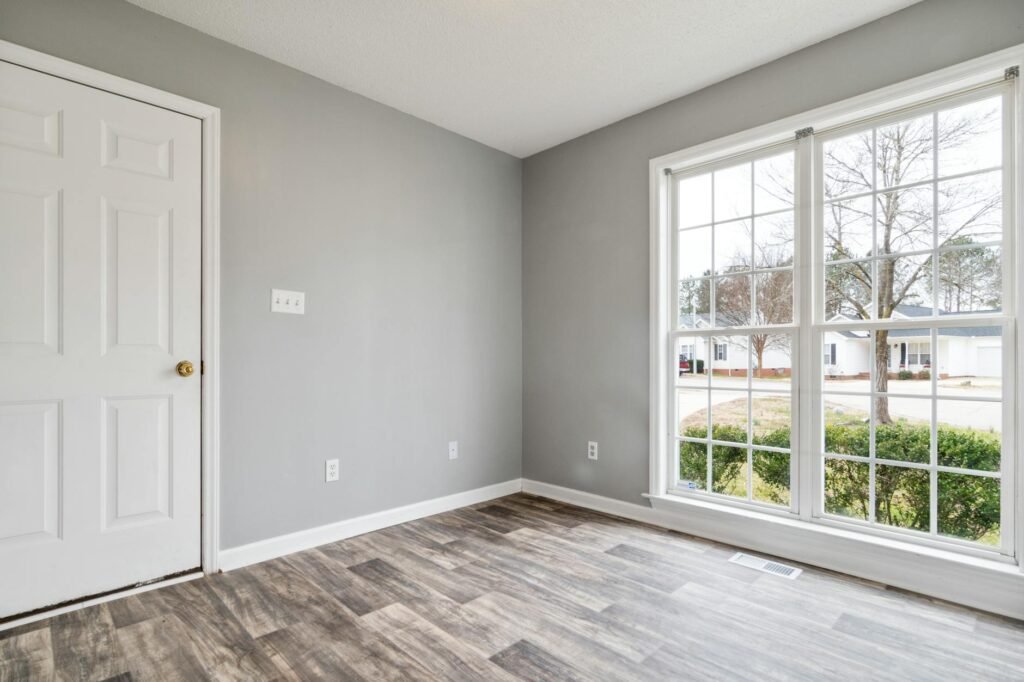
- Start outside. Walk from the curb or parking spot to the front door and note every maintenance clue before you enter.
- Open the door and stop. What is the first thing your eye lands on? If it is clutter, darkness, or wall damage, fix that first.
- Remove anything that belongs to daily life but not to a showing: extra shoes, backpacks, packages, umbrellas, pet bowls, charging cords, and household paperwork.
- Fix the mechanics. Tighten the knob, oil the hinge, clean the glass, replace weak bulbs, and make sure the lock and latch work smoothly.
- Create one believable use. In a small space, choose one: mirror, bench, or landing shelf. In a larger foyer, choose two at most.
- Photograph the result from the doorway and from the first turn into the house. If it looks busy in photos, it will usually feel busier in person.
That last step matters because online presentation is doing part of the selling before the showing begins. Zillow says preview photos are the first thing buyers see, and its selling guidance emphasizes professional photos, video, and virtual materials because listings often function as the home’s first impression. (zillow.com)
Common mistakes that make an entry feel wrong
- Using furniture that is too deep for the hallway or foyer.
- Adding a bench, console, mirror, hooks, baskets, and art all at once instead of choosing one or two functions.
- Leaving the family command center in full view, including calendars, school forms, spare keys, and charging stations.
- Trying to mask odor with strong candles, plug-ins, or diffusers.
- Choosing a tiny rug that visually chops up the floor and makes the space look smaller.
- Forgetting the sightline beyond the entry. Buyers judge the next room immediately too.
- Ignoring door hardware, house numbers, porch light, or chipped trim outside the threshold.
When an entryway refresh is not enough
Some sellers expect styling to rescue problems that buyers read as structural, financial, or inconvenient. It will not overcome stale odor, obvious deferred maintenance, worn flooring that continues through the main level, an awkward layout, or a price that assumes a more updated home. NAR’s 2025 staging findings back up that hierarchy: more than half of sellers’ agents said they did not stage homes before listing but instead recommended decluttering or correcting property faults. (nar.realtor)
- No formal foyer? Stage the first six feet inside the door and the first visible wall or room edge.
- Occupied with kids or pets? Create one hidden “showing bin” for daily overflow and use it every time you leave.
- Vacant house? Consider virtual staging for online photos, but make sure the in-person entry still looks bright, clean, and truthful to the listing.
- Budget near zero? Clean, repaint scuffs, replace bulbs, remove visible clutter, and buy a better mat. Those moves usually beat decorative shopping.
Virtual tools can help when a property is empty or poorly furnished, but they are not a substitute for a believable in-person arrival. Zillow says virtual staging can be cost-effective, and NAR’s staging report shows buyers care about photos, videos, and tours. The catch is simple: the front door experience still has to match the listing well enough that buyers do not feel misled. (zillow.com)
How to pressure-test the advice before a showing
- Run the doorbell test. Step outside, wait one minute, then re-enter as if you are a buyer seeing the home for the first time.
- Take five audit photos: curb, porch, threshold looking in, first turn into the house, and the reverse view back to the door.
- Ask one person who does not live there for three words after a 10-second walk-in. If they say “dark,” “tight,” or “busy,” believe them.
- Use blue painter’s tape to mark every flaw visible from the door. Fix the first five before you style anything else.
- Do a smell reset. Leave the house for an hour, come back, and pause at the threshold before turning on lights or opening windows.
- Compare your first three listing photos with the actual first three views on arrival. If the home feels worse in person than online, rebalance the presentation.
This audit matters because sellers get used to their own house. NAR notes the typical seller has lived in the home for years before listing, which is exactly how people become blind to the sticky latch, the overfilled hooks, and the wall scuff they stopped seeing a long time ago. (nar.realtor)
Bottom line
The best entryway staging is usually subtraction plus repair: clearer path, better light, fewer objects, fresher surfaces, and one believable cue of daily life. That approach matches what current staging and home-search data suggest buyers respond to most: clarity, visualization, and a home that lives up to its listing. If the first step inside feels easy, the rest of the house starts with less resistance. (nar.realtor)
Frequently asked questions
Does entryway staging still matter if buyers found the home online first?
Yes. Online photos and tours may win the click, but the entryway is where buyers decide whether the in-person home matches the listing. NAR buyer data shows photos are highly useful during online search, and Zillow says the listing often serves as the first impression. (cms.nar.realtor)
What if my home does not have a formal foyer?
Next, design the first zone or visible area; you should not design a make-believe room. Pay close attention to the first 6 feet of the wall that buyers see as they walk through the front door and make notes of how they will see or have a sight line through all of the living room area. The same principles apply; Clear path, better lighting, fewer items, well maintained.
How much should I spend on the entryway before listing?
There is no universal dollar figure. Use the entry as part of your total prep budget and fund it only after cleaning, paint touch-ups, and obvious repairs are covered. NAR’s 2025 data put the median staging-service cost at $1,500, which is a helpful market reference point, not a requirement. (nar.realtor)
Should I use candles or diffusers before a showing?
In most cases, not really! A strong fragrance can make potential buyers suspect that you are trying to mask something about your home. Instead, neutral space and cleaning up your floors and entryways will help develop trust with potential buyers even if you do apply a fragrance cover-up.
Is virtual staging enough for the entry?
It can help online, especially in a vacant home, and Zillow describes it as a relatively cost-effective option. But virtual staging does not fix a dim bulb, sticky latch, dirty threshold, or a weak first step inside. The in-person experience still has to support the listing. (zillow.com)
References
- National Association of Realtors: NAR Report Reveals Home Staging Boosts Sale Prices and Reduces Time on Market – https://www.nar.realtor/newsroom/nar-report-reveals-home-staging-boosts-sale-prices-and-reduces-time-on-market
- National Association of Realtors: 2025 Profile of Home Staging (PDF) – https://cms.nar.realtor/sites/default/files/2025-06/2025-profile-of-home-staging-report-06-26-2025.pdf
- National Association of Realtors: 2025 Home Buyers and Sellers Generational Trends Report (PDF) – https://cms.nar.realtor/sites/default/files/2025-03/2025-home-buyers-and-sellers-generational-trends-report-04-01-2025.pdf?mf_ct_campaign=sinclair-mortgage-syndication-feed
- Zillow: How to Boost Your Home’s Digital Curb Appeal – https://www.zillow.com/learn/digital-curb-appeal/
- Zillow: How Do You Sell Your House? – https://www.zillow.com/learn/steps-to-selling-a-house/