
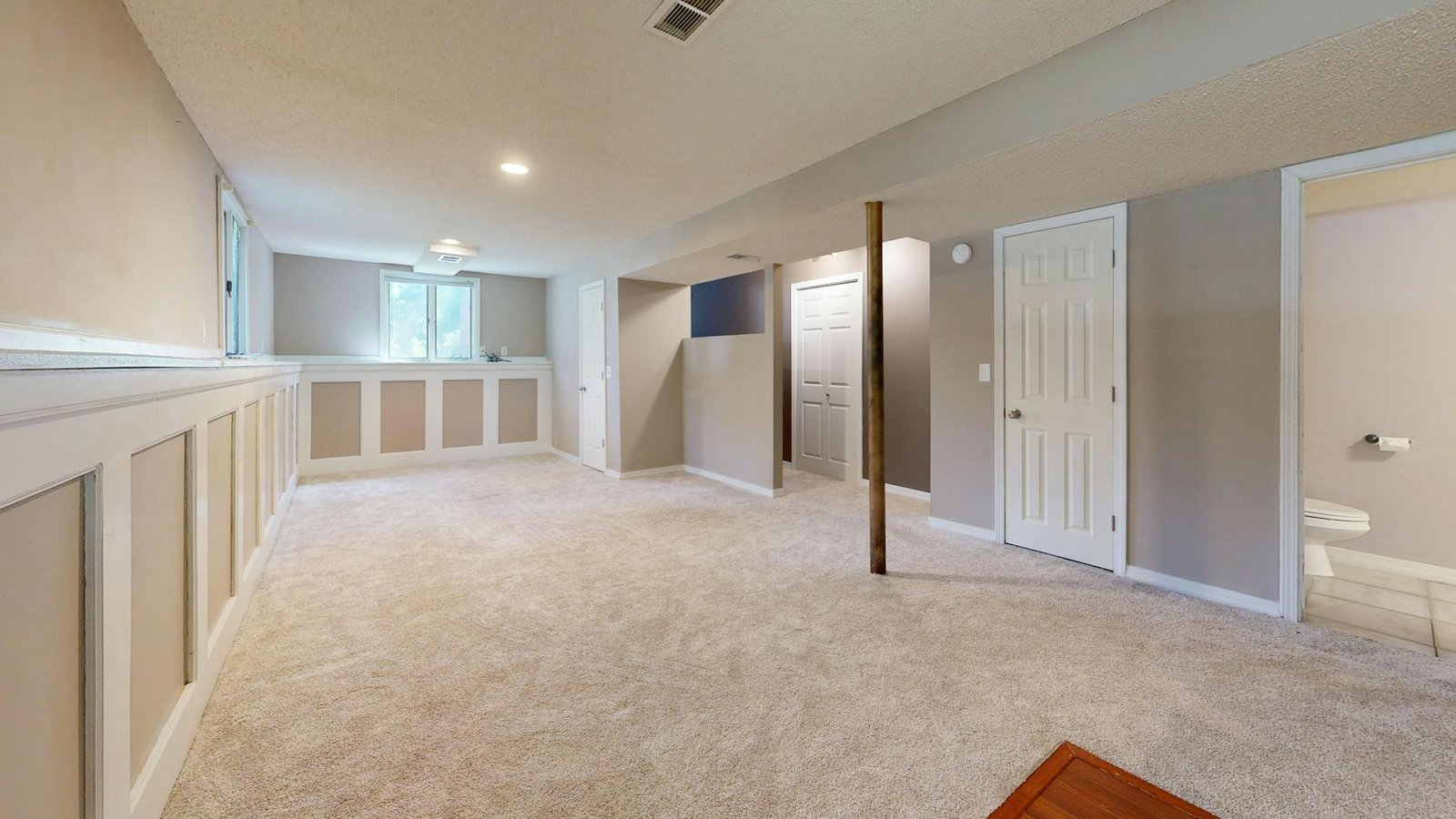
The hardest part of staging a home is not fluffing pillows or buying neutral throw blankets. It is accepting that your house is no longer being judged as your home. It is being judged as a product. Once you list, the job is not to prove your taste. The job is to make it easy for a buyer to picture their routine, their furniture, and their future there. That mental handoff matters: in NAR’s 2025 home staging research, 83% of buyers’ agents said staging made it easier for buyers to visualize the property as a future home. (nar.realtor)
TL;DR
- Treat staging as a marketing expense, not a decorating project. Sellers may already be dealing with commissions, taxes, fees, repairs, and moving costs, so staging dollars should solve buyer hesitation instead of funding a vanity makeover. (myhome.freddiemac.com)
- If money is tight, start with decluttering, whole-home cleaning, curb appeal, minor repairs, and strong listing photos. Those are among the most common seller-side recommendations in NAR’s 2025 staging data. (nar.realtor)
- Prioritize the rooms buyers notice fastest: living room, primary bedroom, and kitchen. Those are the spaces buyers’ agents rank as most important to stage. (nar.realtor)
- Professional staging is only one option. In-person staging, consultations, and virtual staging can all help, but material photo alterations should be disclosed and local listing rules may apply. (nar.realtor)
Why decorating for yourself is the wrong job now
Staging is not interior design for your own enjoyment, and it is not the same thing as a remodel. NAR’s consumer guide describes staging as presenting the property so buyers can see it in its best light, with the emphasis on decluttering and styling rather than chasing trends or taking on major construction. That distinction matters because many sellers overspend in the wrong category: they buy decor when what the house actually needs is editing. (nar.realtor)
Buyers also encounter your home online before they ever walk through the front door. In NAR’s 2025 staging report, buyers’ agents said photos were more important to clients than traditional physical staging, videos, virtual tours, or virtual staging, and they identified the living room, primary bedroom, and kitchen as the most important rooms to stage. That is why highly personal design choices can backfire in a sale. A gallery wall full of family photos, a hobby room that only makes sense to you, or a giant sectional that eats up half the floor can dominate listing photos and make the room feel smaller, stranger, or more expensive to undo. (nar.realtor)
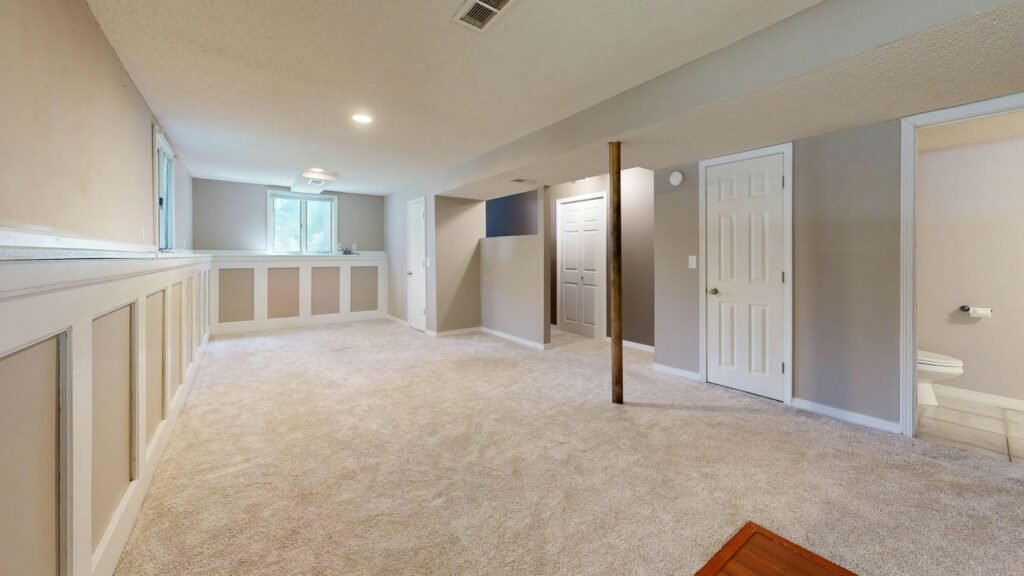
Use the Buyer-Projection Scorecard before you spend a dollar
If you’re considering purchasing something, take note of how well your potential new room will support your visualization of having ownership. You can use a scoring system that gives 0-2 points for each of the three key rooms. When you have finished scoring, if your room received a total of 10 points or more, it’s ready for photography. However, if it received 6 points or fewer, you should hold off on purchasing decorative items until after making improvements.
| Test | 0 points | 1 point | 2 points |
|---|---|---|---|
| Purpose | Buyer cannot quickly tell what the room is for | The room has a main purpose, but there is clutter or mixed use | The room has one obvious, useful purpose |
| Space | Furniture makes the room feel tight or awkward | Layout mostly works, but one or two pieces are too large | Traffic flow is easy and the room looks open |
| Personal imprint | The room is dominated by personal photos, niche collections, or bold style choices | Some personal elements remain, but they do not take over | The room feels neutral enough for a buyer to picture their own life there |
| Condition signal | Scuffs, burned-out bulbs, worn textiles, or visible deferred maintenance stand out | Minor flaws are visible if a buyer looks closely | The room feels clean, bright, and cared for |
| Photo readiness | The eye goes to stuff | The eye splits between stuff and space | The eye goes to light, layout, and square footage |
This score tells you how to prioritize your steps. If you score a 9 or 10, you do not change anything but will perform regular maintenance (resetting) on an ongoing basis. If you score a 7 or 8, you will simplify what you already have. If you score a 6 or less, you likely need to take out furniture, neutralize color, correct wear-and-tear, or completely reevaluate the room. This framework will help you avoid a common mistake sellers make by concentrating on decor while ignoring what is negatively impacting their property listing.

Build a staging budget like an investor, not a decorator
Selling is already expensive. Freddie Mac says sellers should plan for closing costs that can include commissions, taxes, and fees, with commissions commonly ranging from 3% to 8% of the sale price and fees and taxes often adding another 2% to 4%, depending on the state. Staging sits on top of that as a secondary cost, along with repairs, painting, landscaping, and cleaning. In NAR’s 2025 staging report, the median amount spent when using a staging service was $1,500, compared with $500 when the seller’s agent personally staged the home. The practical lesson is simple: if you have a limited budget, use it where buyers will notice friction first. (myhome.freddiemac.com)
| Your situation | Best first move | Typical spend lane | Usually not worth it |
|---|---|---|---|
| Occupied home with too much stuff | Rent short-term storage, deep clean, edit furniture, improve photos | $300 to $1,500 | Buying new decor before you remove clutter |
| Vacant but move-in ready home | Stage the living room, primary bedroom, and one dining or flex area | $800 to $3,000 | Fully furnishing every spare bedroom |
| Dated but clean home | Paint touch-ups, light fixture swaps, fresh bedding, curb appeal, hardware refresh | $500 to $3,000 | Starting a full kitchen remodel right before listing |
| Competitive higher-end listing | Hire a pro stager, refine lighting, art, textiles, and outdoor seating | $2,500 and up | Cheap filler furniture that makes the home feel lower-end |
| Very tight budget and short timeline | Declutter, clean, repair, mow, photograph well | Under $1,000 | Any renovation that delays the listing without fixing a real defect |
Consider a realistic example. A seller plans to list a three-bedroom home at $485,000 and has $5,000 set aside to “make it pop.” The tempting move is a cosmetic kitchen redo that will still look partial. A stronger plan is a $300 storage unit, $450 deep clean, $700 paint and patching, $350 updated lighting and bulbs, $600 yard cleanup, $1,500 staging consultation and partial rental, $350 new bedding and towels, and $450 professional photos. That totals $4,700. One percent of a $485,000 sale is $4,850, so the goal is not to chase perfection. It is to avoid the kind of buyer hesitation that can lead to a lower offer, a longer time on market, or repeated price cuts. NAR’s data suggests staging may help with both price perception and time on market, but the benefit is not guaranteed, which is why the spending plan should stay disciplined. (nar.realtor)
What to change room by room
If you cannot stage everything, stage in the order buyers tend to care about most: living room, primary bedroom, kitchen, then the entry and curb appeal. On the seller side, NAR found the most common recommendations were decluttering, whole-home cleaning, and improving curb appeal, and the rooms most often staged were the living room and primary bedroom. (nar.realtor)
- Take down anything that gives off a family command center vibe. Use one rug, one light with a clean style and no more than one basic plant for decoration. Shoes, pet gear, etc. are creating the impression of limited storage even before the showing starts.
- Move your furniture away from the walls (if there is enough space), eliminate extra side tables, hide any power cords, and adjust your seating to face the focal point of the room. The design of your living room should convey a sense of both “conversation” and “relaxation,” rather than one that conveys that you own every chair you’ve purchased.
- Kitchen: Clear the counters down to a few intentional items. Buyers should see prep space, not appliances. Remove magnets, calendars, and medication from sight, and make room inside cabinets so storage looks believable.
- Primary bedroom: Aim for calm and spare. Matching bedding, fewer pillows, clear dressers, and no workout equipment in the corner. Buyers need to feel rest, not unfinished multitasking.
- Bathrooms: White or light towels, closed lids, empty counters, and no visible daily-use toiletries. A bathroom should read clean in one second.
- Flex Spaces: Establish a single use and commit to it. If the space serves numerous purposes (office, guest space, gym), potential buyers may not understand what they are actually viewing during a walk-through. In general, the majority of buyers in most markets are more inclined to purchase a property with one good use as opposed to three subpar uses.
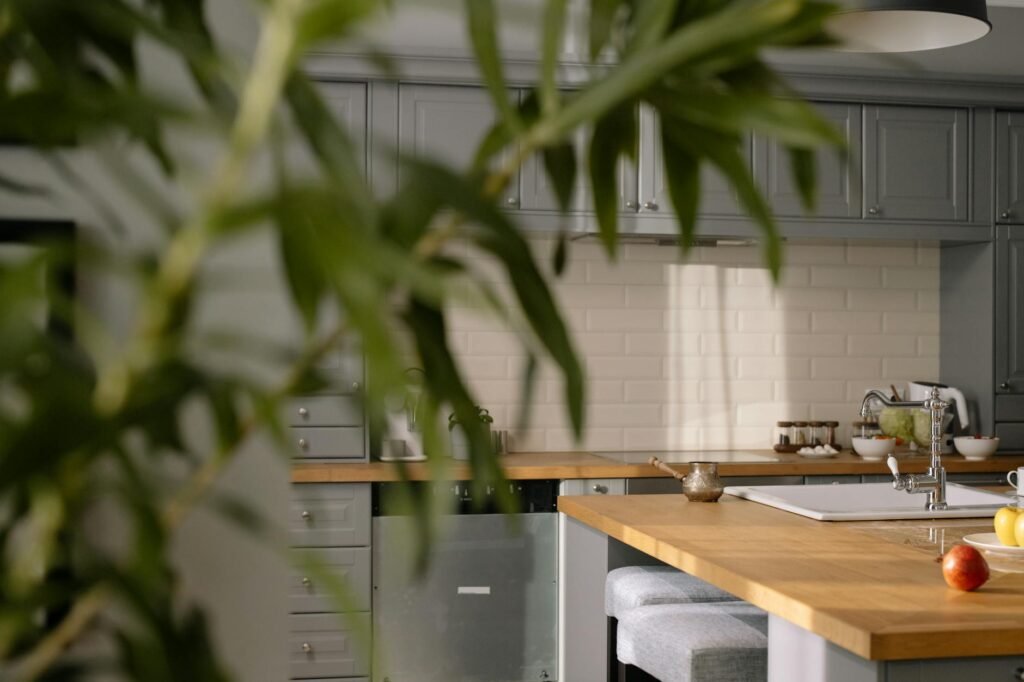
The 48-hour reset before photos and showings
- Pack away personal identity markers first: family photos, political or religious decor, toiletries, medicines, firearms, valuables, and anything that reveals more about you than the house. NAR specifically flags personal items and overly revealing decor as staging problems. (nar.realtor)
- Start pre-packing earlier than feels comfortable. Use boxes and, if necessary, short-term storage so closets and shelves look partially full instead of maxed out. NAR’s consumer guide even suggests using a storage unit and keeping closets about half full. (nar.realtor)
- Remove one-third of the furniture in any crowded room. If a buyer has to sidestep a chair or squeeze past an ottoman, the room is overfurnished.
- Deep clean the whole house, not just visible surfaces. Floors, baseboards, windows, grout, light fixtures, and shower glass all affect the “this home is cared for” signal. Entire-home cleaning and decluttering were the top seller-side recommendations in NAR’s 2025 report. (nar.realtor)
- Handle small repairs before styling. A leaky faucet, cracked switch plate, sticking door, or burned-out bulb can undermine every decorative choice around it. Freddie Mac’s seller guidance recommends fixing long-delayed items so buyers see the home as well cared for. (myhome.freddiemac.com)
- Reset smell and air. Open windows when possible, clean soft surfaces, empty trash, and remove pet evidence. Cover scents are risky; clean air is better than strong fragrance.
- Refresh curb appeal last. Sweep the porch, trim overgrowth, clean the front door, replace a tired doormat, and make the first photo feel welcoming. Improving curb appeal was among the most common recommendations from sellers’ agents in NAR’s report. (nar.realtor)
- Take phone photos from the doorway of every room. If the photo shows clutter, odd angles, or too much furniture, the buyer will see the same thing.
Mistakes that quietly make buyers back away
NAR’s consumer guide highlights several recurring staging mistakes: overcrowded rooms, weak cleanliness, highly personal decor, ignored entry areas, and bold colors that distract buyers. In practice, those mistakes usually show up in subtler ways than sellers expect. (nar.realtor)
- Mistaking neutral for lifeless. A house should feel edited, not empty. A few well-scaled pieces usually sell better than either clutter or complete sterility.
- You are not getting extra money from your buyers because your wallpaper came from abroad, or your sofa is a well-known designer; very few buyers will pay extra for either of these things, but if a buyer comes into your home and feels that they may have to “undo” these items it may serve to reduce the offer they will make for your home.
- Creating storage anxiety. Stuffed closets, jammed pantries, and crowded garage walls tell buyers the house does not have enough room.
- Showing every hobby at once. Music gear, collectibles, gaming setups, craft stations, and home gym equipment can all narrow the buyer’s imagination.
- Ignoring lighting. A dark room looks smaller online and moodier in person. Replace mismatched bulbs and open every window treatment that flatters the room.
- Trying to decorate around maintenance issues. Fresh pillows do not hide water stains, worn carpet, or damaged trim. They only make buyers notice the mismatch.

When styling will not save the sale
Staging has limits. It will not fix a home that is overpriced, badly photographed, or obviously under-maintained. Freddie Mac’s seller guidance emphasizes repairs because buyers notice signs that a home has not been cared for, and NAR’s 2025 Remodeling Impact Report says 46% of buyers are less willing to compromise on a home’s condition. If the roof is near failure, the carpet smells, the windows are damaged, or the layout is genuinely awkward, styling should come after you decide whether to repair, credit, or price accordingly. (myhome.freddiemac.com)
If the first plan is more than your budget can handle, use a backup option instead of giving up. An occupied home may only need a paid consultation and a storage unit. A vacant home may benefit from partial physical staging in the key rooms plus restrained virtual staging elsewhere. NAR lists in-person staging, consultations, and virtual staging as common approaches, and notes that photo enhancements that materially alter a property should be disclosed so buyers get a truthful picture of the home. Cost-sharing also varies in the real world: NAR found some sellers pay before listing, some agents stage personally, and some arrangements depend on the scenario. (nar.realtor)
Important: This article is for general information, not legal, tax, or brokerage advice. Before paying for staging, virtual edits, or pre-listing improvements, confirm local disclosure rules, MLS standards, and what buyers in your exact price range expect. A local real estate professional, attorney, or tax adviser can help if the decision affects pricing, disclosures, or your net proceeds. (nar.realtor)
How to pressure-test your staging before you list
Because photos carry so much weight in online home shopping, the best way to verify your staging is to audit the house the way a buyer will first see it: in thumbnails, on a phone, and fast. NAR’s 2025 data shows just how central photos are to client decisions. (nar.realtor)
- Pull five active listings that compete with yours on price, size, and neighborhood. Compare only the exterior, living room, kitchen, and primary bedroom first.
- Look at your own phone photos for two seconds each. If the eye lands on decor, clutter, or dark corners before it lands on space, light, or layout, restage that room.
- Ask one blunt, uninvolved person to walk through the house and say what each room is for. If they hesitate, the room is sending a mixed message.
- Re-run the Buyer-Projection Scorecard after every edit. Most sellers improve faster by subtracting than by adding.
- Track the first buyer comments after showings. If feedback keeps mentioning “small,” “dark,” “dated,” or “too personal,” do not keep buying accessories. Fix the specific objection or revisit price.
Bottom line
The point of staging is not to make buyers admire your taste. It is to remove enough of your taste that they can imagine their own. Start with decluttering, cleaning, repairs, curb appeal, and photos. Spend next on the rooms that shape first impressions. And if your budget is limited, remember the hierarchy: clear beats clever, neutral beats niche, and cared-for beats trendy. That is what helps a buyer picture ownership. (nar.realtor)
Frequently asked questions
Should I repaint every room before selling?
Not automatically. Repaint the rooms where color, scuffs, patchwork, or heavy personalization will show up in person or in photos. NAR’s 2025 remodeling report shows painting is among the projects REALTORS most often recommend before selling, but that does not mean every room needs fresh paint if the existing finish is clean and neutral. (nar.realtor)
Is professional staging worth it for a mid-priced home?
Sometimes. It tends to make the most sense when the home is vacant, the layout is awkward, or the listing is entering a competitive market. NAR reported a median spend of $1,500 when using a staging service, compared with $500 when the seller’s agent personally staged the home, so the decision should depend on the likely payoff relative to your sale price and competition. (nar.realtor)
What rooms matter most if I only have money for a few updates?
Start with the living room, primary bedroom, kitchen, and front approach to the house. NAR’s 2025 staging research puts the living room, primary bedroom, and kitchen at the top of the buyer-priority list, and seller-side agents frequently recommend curb appeal work, cleaning, and decluttering. (nar.realtor)
Can virtual staging replace real staging?
It can help vacant rooms look more understandable online, but it does not replace actual cleanliness, repairs, or room function. NAR’s consumer guidance says virtual staging is a common option, but material photo alterations should be disclosed so buyers are not misled. (nar.realtor)
Do I really need to remove family photos and personal items?
Usually, yes. Buyers need fewer reminders that they are walking through someone else’s life. NAR’s consumer guide specifically recommends packing away personal items such as photos, toiletries, medicines, firearms, and valuables, and it flags personal or revealing decor as a common mistake. (nar.realtor)
References
- National Association of REALTORS®: 2025 Profile of Home Staging – https://www.nar.realtor/sites/default/files/2025-05/2025-profile-of-home-staging-05-06-2025.pdf?utm.com=
- National Association of REALTORS®: Consumer Guide, Staging Your House for a Sale – https://www.nar.realtor/the-facts/consumer-guide-staging-your-house-for-a-sale
- My Home by Freddie Mac: Understanding the Costs of Selling Your Home – https://myhome.freddiemac.com/selling/costs-of-selling
- My Home by Freddie Mac: Preparing Your Home to Sell – https://myhome.freddiemac.com/selling/preparing-to-sell-your-home
- National Association of REALTORS®: 2025 Remodeling Impact Report – https://www.nar.realtor/sites/default/files/2025-04/2025-remodeling-impact-report_04-09-2025.pdf